
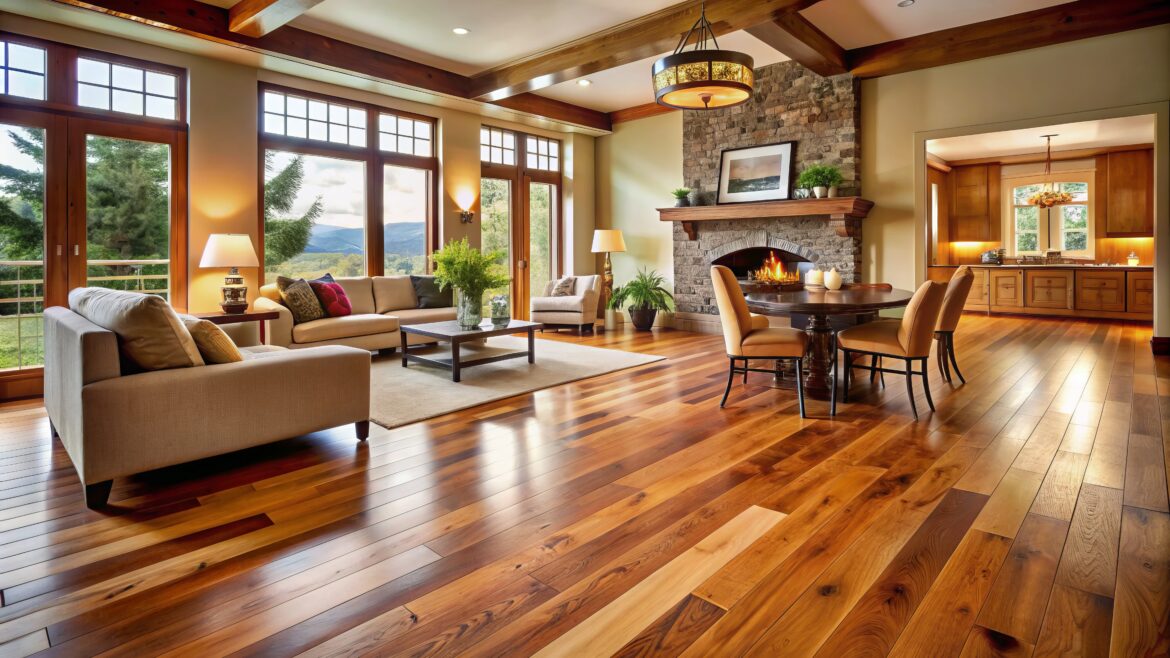
How to Make Your Floors Last Longer: A Maintenance Guide by Type
How to Make Floors Last Longer – New flooring is an investment, and like any investment, it pays to protect it. The good news is that keeping your floors looking great and lasting for years doesn’t take much — it just takes the right care for the type of flooring you have. Different materials have different needs, and using the wrong cleaning method can do more harm than good.
Here’s a complete maintenance guide broken down by flooring type so you know exactly how to care for what’s under your feet.
Luxury Vinyl Plank (LVP)
LVP is one of the easiest floors to maintain, which is part of why it’s so popular here in the Four Corners.
Do: Sweep or vacuum regularly to keep abrasive dust and grit off the surface. Damp mop with a vinyl-safe or pH-neutral cleaner. Wipe up spills promptly. Use felt pads under furniture and doormats at entrances.
Don’t: Use steam mops (the heat can damage the wear layer and adhesive), wax or polish (LVP never needs it), or abrasive scrubbers and harsh chemicals like bleach and ammonia.
Lifespan tip: The biggest enemy of LVP in our climate is fine desert dust acting like sandpaper underfoot. Regular sweeping and doormats make a huge difference in preventing dull, worn spots.
Hardwood
Hardwood is beautiful and long-lasting, but it’s also the most sensitive to moisture and requires the most careful maintenance.
Do: Sweep or dust mop frequently to remove grit. Clean with a hardwood-specific cleaner and a barely-damp mop. Wipe spills immediately. Use felt pads and area rugs in high-traffic areas.
Don’t: Ever wet mop or let water sit on hardwood — moisture is its worst enemy and causes warping, cupping, and gaps. Avoid vinegar, steam mops, and harsh cleaners that strip the finish.
Lifespan tip: Hardwood can be refinished multiple times over its life, which is a major advantage. When the finish wears or scratches accumulate, a professional refinish makes it look brand new again — something no other floor type can match. In our dry climate, maintaining consistent indoor humidity also helps prevent seasonal gaps and cracking.
Laminate
Laminate is durable and budget-friendly, but its wood-fiber core makes it sensitive to standing water.
Do: Sweep or vacuum regularly. Clean with a laminate-specific cleaner and a well-wrung damp mop. Wipe spills quickly. Use felt pads and mats.
Don’t: Wet mop or use excessive water (it can swell the seams), and avoid wax, polish, steam mops, and abrasive cleaners.
Lifespan tip: Laminate can’t be refinished like hardwood, so prevention is everything. Keep water off the seams, protect against scratches, and it’ll serve you well for years in dry areas like bedrooms and living rooms.
Tile
Tile is one of the most durable and low-maintenance floors, but the grout needs attention — especially with our hard water here in Farmington.
Do: Sweep and mop regularly with a mild cleaner. Seal your grout to protect it from staining and mineral buildup. Clean grout lines periodically with a soft brush.
Don’t: Use harsh acidic cleaners on natural stone tile (they etch the surface), and avoid abrasive tools that scratch glazed surfaces.
Lifespan tip: The tile itself can last decades, but grout is the weak point — especially with Farmington’s hard water leaving mineral deposits and discoloration. Sealing your grout and keeping it clean is the single best thing you can do to keep a tile floor looking new. We’ve covered hard water and grout care in more detail in another post if you want a deeper dive.
Carpet
Carpet needs regular care to stay fresh and last, particularly in a dusty environment.
Do: Vacuum at least once or twice a week to remove dirt and dust before it gets ground into the fibers. Address spills immediately by blotting (never rubbing). Get professional deep cleaning every 12 to 18 months.
Don’t: Let stains sit, over-wet the carpet when cleaning, or scrub stains aggressively, which damages the fibers.
Lifespan tip: In our dusty climate, that fine grit settles deep into carpet fibers and grinds them down over time. Frequent vacuuming and doormats at every entrance dramatically extend carpet life by keeping abrasive dirt out.
Universal Tips for Every Floor Type
No matter what flooring you have, these habits protect all of them:
Use doormats at every entrance. This is the number one way to reduce the dirt, sand, and grit that wears down all flooring. Especially important in the Four Corners, where dust is a constant.
Put felt pads under furniture. They prevent scratches and dents across every hard floor type, and they’re cheap and easy to replace.
Deal with spills promptly. Even on waterproof floors, sitting spills can cause stains, residue, or seepage into seams.
Trim pet nails. Long claws scratch hardwood, LVP, and laminate over time.
Keep grit off the floor. Regular sweeping and vacuuming removes the abrasive dust that dulls and wears every surface.
Control indoor humidity. Especially relevant for hardwood, but stable humidity benefits most flooring and prevents seasonal expansion and contraction.
When to Call a Professional
Regular maintenance keeps your floors in great shape, but sometimes you need an expert. If you notice planks lifting or separating, deep scratches or damage, water damage, failing grout, or wear that cleaning won’t fix, it’s worth having a professional take a look. Catching problems early often means a simple repair instead of a full replacement.
The Bottom Line
The secret to long-lasting floors isn’t complicated — it’s matching your care to your flooring type and staying consistent. Keep abrasive grit off, clean the right way for your material, protect against scratches and moisture, and address problems early. Do that, and your floors will look beautiful and last for many years, protecting the investment you made in your home.
Firebird Flooring serves Farmington, Bloomfield, Aztec, Kirtland, and the entire Four Corners area. Whether you need care advice for your current floors or you’re ready for something new, we’re here to help. [Contact us today for a free estimate.]