
505.419.4585
8AM – 5PM Mon – Fri
Servicing the Four Corners
Spring Cleaning Flooring Mistakes

Spring Cleaning Your Floors: What Actually Works (And What Damages Them)

Spring Cleaning Flooring Mistakes

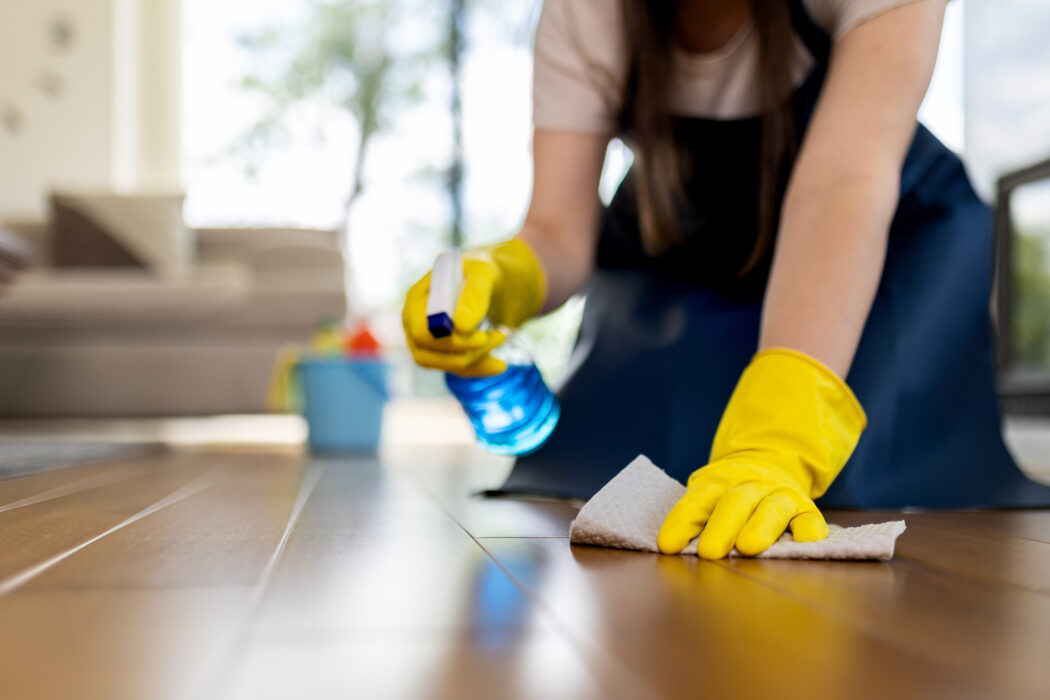
Spring Cleaning Flooring Mistakes – Spring is here, the windows are open, and across the Four Corners we’re all looking at our floors a little harder than we did all winter. The dust, the salt residue from winter boots, the dog hair drifts in the corners — it’s time for a deep clean.

Here’s the hard truth: most of us were taught to clean floors the wrong way. The well-meaning advice from our parents (or the brightly-labeled bottle at the supermarket) often does more long-term damage than the dirt ever could.

After years of installing and refinishing floors here in the Four Corners, we see the same five or six mistakes over and over. So before you grab the bucket this weekend, here’s what actually works on each type of floor — and what to put back on the shelf.

The Top Floor-Cleaning Mistakes We See

1. Wet-mopping hardwood floors

Water and wood are mortal enemies. Even a “damp” mop can leave moisture in the seams between planks, where it swells the wood, warps the boards, and lifts the finish. We’ve seen brand-new hardwood floors permanently cupped within a year from nothing more than weekly mopping.

What to do instead: Vacuum first (with the beater bar OFF), then use a microfiber dust mop. For actual cleaning, lightly mist a microfiber mop pad with a hardwood-specific cleaner like Bona or whatever your manufacturer recommends. The pad should feel barely damp — never wet enough to leave streaks.

2. Steam cleaners

The marketing makes them sound miraculous — kills germs, no chemicals, deep clean. But steam is one of the worst things you can put on most floors. On hardwood, it forces moisture down into the wood. On luxury vinyl plank, the heat softens the adhesive and the planks start to shift or lift. On laminate, it destroys the core entirely.

What to do instead: If you want to sanitize, use a manufacturer-approved floor cleaner. None of them require steam to work properly.

3. Vinegar on natural stone

“A splash of vinegar in warm water” is a Pinterest classic — and it’s fine on porcelain tile. But on travertine, marble, slate, or any sealed stone, vinegar is acidic enough to eat through the sealer and etch the stone surface. The damage is permanent and only fixable through professional honing or replacement.

What to do instead: Use a pH-neutral stone cleaner. They cost about $15 a bottle and last six months. If you’re not sure what kind of stone you have, bring us a photo and we’ll tell you.

4. Bleach on tile grout

Bleach lifts stains in the moment, but it breaks down grout sealant over time. Six months of bleach scrubbing and your grout is porous, discolored, and absorbing stains worse than when you started.

What to do instead: Use an oxygenated cleaner (OxiClean works well) or a dedicated grout cleaner. Apply, wait ten minutes, scrub with a soft brush. And reseal your grout every one to two years.

5. Furniture polish on hardwood

Pledge, Lemon Pledge, Old English — they all leave a waxy film. That film attracts dust, makes the floor look hazy over time, and (worst of all) makes future refinishing nearly impossible, because new finish won’t bond to the residue.

What to do instead: Never use furniture polish on a floor. Stick to the cleaner recommended by your floor’s manufacturer.

6. Vacuum beater bars on hardwood and LVP

The rotating brush bar is meant for carpet. On hardwood and luxury vinyl plank, it scratches the finish and dulls the surface over time. Most vacuums have a switch to turn it off — find it and use it.

A Quick Cheat Sheet by Floor Type

Hardwood: Dry or just-damp microfiber mop. Manufacturer-approved cleaner only. No steam. No wet mopping. No furniture polish.

Luxury Vinyl Plank (LVP): Damp mop is fine. Mild dish soap and water works in a pinch. No steam. No wax-based products.

Ceramic and porcelain tile: The most forgiving floor. Mild detergent or diluted vinegar is fine on the tile itself — just keep harsh chemicals off the grout.

Natural stone (travertine, marble, slate, granite): pH-neutral cleaners only. Reseal annually. Wipe spills immediately — especially anything acidic like citrus, wine, coffee, or vinegar.

Laminate: Damp mop with a laminate-specific cleaner. Never let water sit on it. No steam — it ruins the core.

Carpet: Vacuum twice a week. Spot-treat spills as they happen. Professional deep-clean once or twice a year. The rental machines from the grocery store don’t extract enough water, leaving carpet damp for days and creating mildew underneath.

When Cleaning Isn’t Enough

Sometimes a floor doesn’t need a cleaner — it needs help. If your hardwood looks dull no matter what you do, the finish has worn through and it’s time for a screen-and-recoat (much cheaper than a full refinish). If your grout is permanently stained or cracking, regrouting is a one-day project that makes tile look new again. If your LVP planks are lifting or gapping, there’s usually an underlying moisture or installation issue worth catching before it spreads.

We do all of the above, and we’re happy to take a look. Send us a photo, give us a call, or stop by the showroom — we’ve been helping homeowners across the Four Corners protect their flooring investments for [X] years. We sell what we install, and we stand behind both.

Happy spring cleaning.