Spring Cleaning Your Floors: What Actually Works (And What Damages Them)
Spring Cleaning Flooring Mistakes
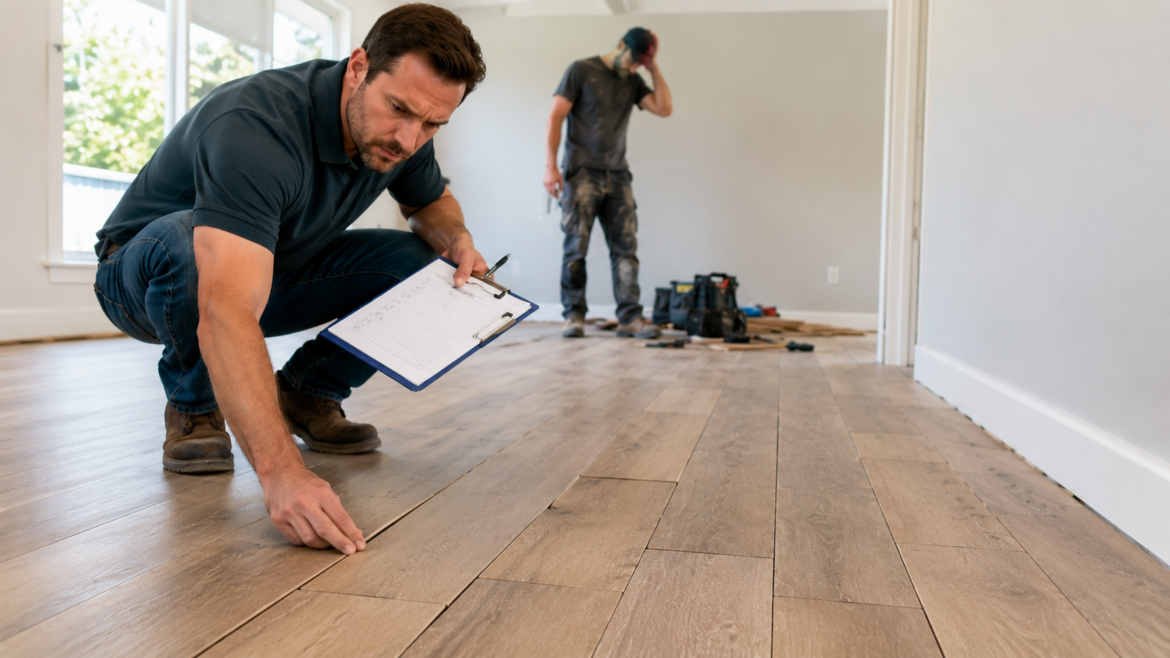
Spring Cleaning Flooring Mistakes – Spring is here, the windows are open, and across the Four Corners we’re all looking at our floors a little harder than we did all winter. The dust, the salt residue from winter boots, the dog hair drifts in the corners — it’s time for a deep clean.
Here’s the hard truth: most of us were taught to clean floors the wrong way. The well-meaning advice from our parents (or the brightly-labeled bottle at the supermarket) often does more long-term damage than the dirt ever could.
After years of installing and refinishing floors here in the Four Corners, we see the same five or six mistakes over and over. So before you grab the bucket this weekend, here’s what actually works on each type of floor — and what to put back on the shelf.
The Top Floor-Cleaning Mistakes We See
1. Wet-mopping hardwood floors
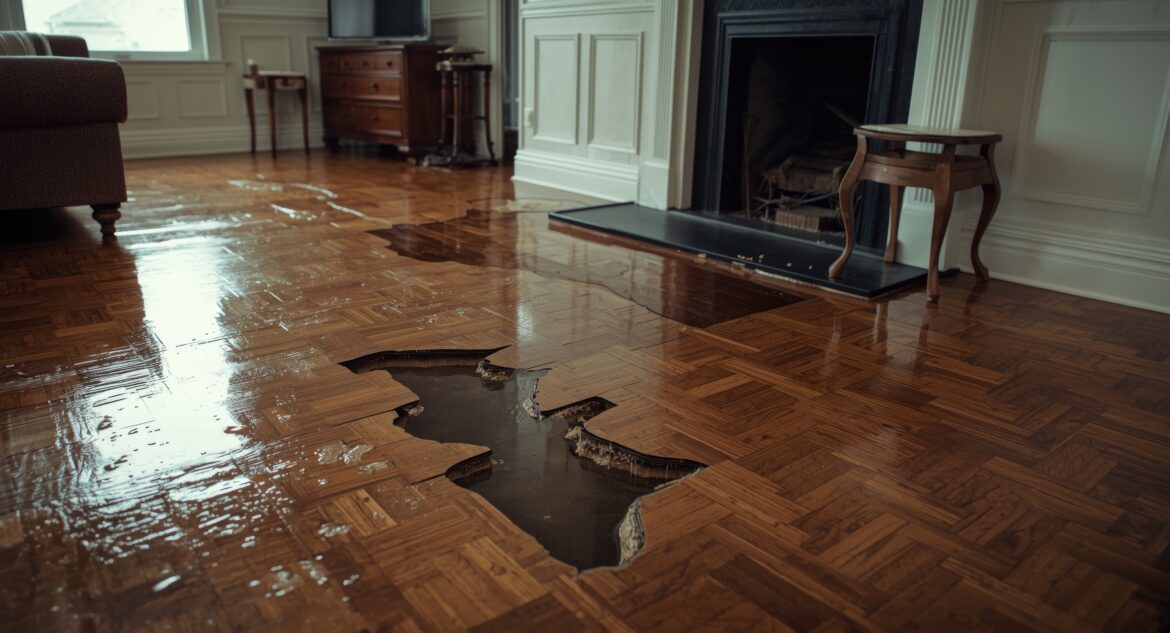
Water and wood are mortal enemies. Even a “damp” mop can leave moisture in the seams between planks, where it swells the wood, warps the boards, and lifts the finish. We’ve seen brand-new hardwood floors permanently cupped within a year from nothing more than weekly mopping.
What to do instead: Vacuum first (with the beater bar OFF), then use a microfiber dust mop. For actual cleaning, lightly mist a microfiber mop pad with a hardwood-specific cleaner like Bona or whatever your manufacturer recommends. The pad should feel barely damp — never wet enough to leave streaks.
2. Steam cleaners
The marketing makes them sound miraculous — kills germs, no chemicals, deep clean. But steam is one of the worst things you can put on most floors. On hardwood, it forces moisture down into the wood. On luxury vinyl plank, the heat softens the adhesive and the planks start to shift or lift. On laminate, it destroys the core entirely.
What to do instead: If you want to sanitize, use a manufacturer-approved floor cleaner. None of them require steam to work properly.
3. Vinegar on natural stone
“A splash of vinegar in warm water” is a Pinterest classic — and it’s fine on porcelain tile. But on travertine, marble, slate, or any sealed stone, vinegar is acidic enough to eat through the sealer and etch the stone surface. The damage is permanent and only fixable through professional honing or replacement.
What to do instead: Use a pH-neutral stone cleaner. They cost about $15 a bottle and last six months. If you’re not sure what kind of stone you have, bring us a photo and we’ll tell you.
4. Bleach on tile grout
Bleach lifts stains in the moment, but it breaks down grout sealant over time. Six months of bleach scrubbing and your grout is porous, discolored, and absorbing stains worse than when you started.
What to do instead: Use an oxygenated cleaner (OxiClean works well) or a dedicated grout cleaner. Apply, wait ten minutes, scrub with a soft brush. And reseal your grout every one to two years.
5. Furniture polish on hardwood
Pledge, Lemon Pledge, Old English — they all leave a waxy film. That film attracts dust, makes the floor look hazy over time, and (worst of all) makes future refinishing nearly impossible, because new finish won’t bond to the residue.
What to do instead: Never use furniture polish on a floor. Stick to the cleaner recommended by your floor’s manufacturer.
6. Vacuum beater bars on hardwood and LVP
The rotating brush bar is meant for carpet. On hardwood and luxury vinyl plank, it scratches the finish and dulls the surface over time. Most vacuums have a switch to turn it off — find it and use it.
A Quick Cheat Sheet by Floor Type
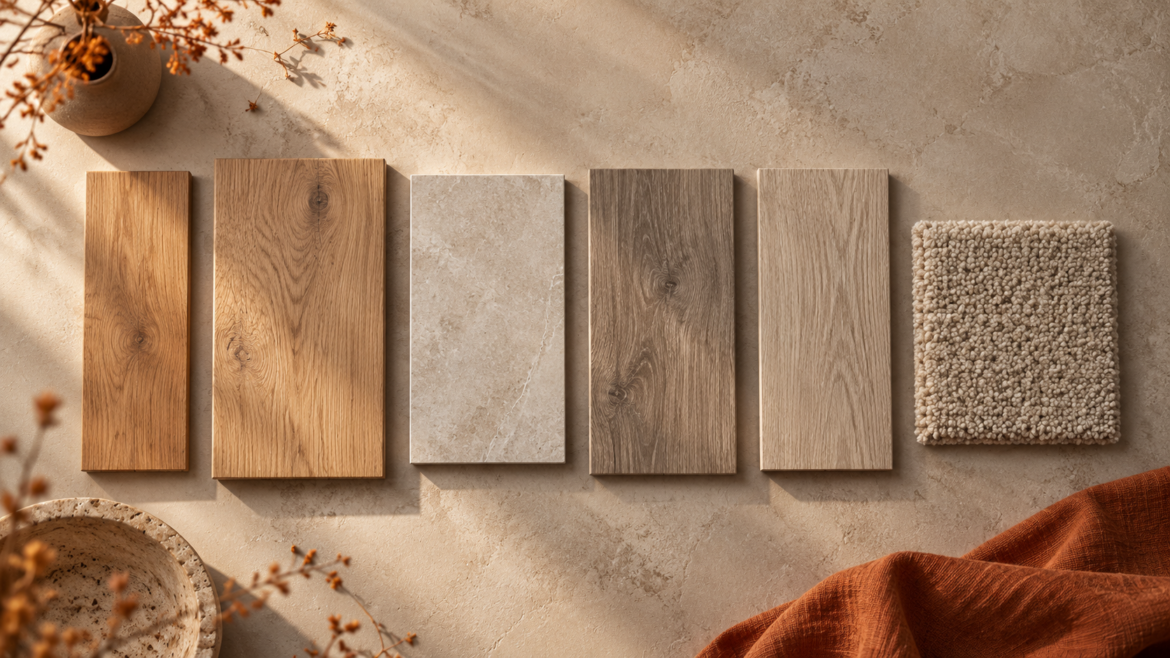
Hardwood: Dry or just-damp microfiber mop. Manufacturer-approved cleaner only. No steam. No wet mopping. No furniture polish.
Luxury Vinyl Plank (LVP): Damp mop is fine. Mild dish soap and water works in a pinch. No steam. No wax-based products.
Ceramic and porcelain tile: The most forgiving floor. Mild detergent or diluted vinegar is fine on the tile itself — just keep harsh chemicals off the grout.
Natural stone (travertine, marble, slate, granite): pH-neutral cleaners only. Reseal annually. Wipe spills immediately — especially anything acidic like citrus, wine, coffee, or vinegar.
Laminate: Damp mop with a laminate-specific cleaner. Never let water sit on it. No steam — it ruins the core.
Carpet: Vacuum twice a week. Spot-treat spills as they happen. Professional deep-clean once or twice a year. The rental machines from the grocery store don’t extract enough water, leaving carpet damp for days and creating mildew underneath.
When Cleaning Isn’t Enough
Sometimes a floor doesn’t need a cleaner — it needs help. If your hardwood looks dull no matter what you do, the finish has worn through and it’s time for a screen-and-recoat (much cheaper than a full refinish). If your grout is permanently stained or cracking, regrouting is a one-day project that makes tile look new again. If your LVP planks are lifting or gapping, there’s usually an underlying moisture or installation issue worth catching before it spreads.
We do all of the above, and we’re happy to take a look. Send us a photo, give us a call, or stop by the showroom — we’ve been helping homeowners across the Four Corners protect their flooring investments for [X] years. We sell what we install, and we stand behind both.
Happy spring cleaning.
How to Choose Flooring That Can Handle Kids, Pets, and Everyday Life
Life happens on your floors.
Kids run through the house with shoes on. Dogs track in dirt from the yard. Drinks get spilled. Furniture gets moved. Groceries get dropped. And somehow, no matter how often you sweep, dust always seems to find its way back in.
For homeowners in Farmington, NM, choosing new flooring is about more than just picking something that looks good. Your floors need to hold up to real life. They need to be easy to clean, comfortable to live on, and durable enough to handle whatever your household throws at them.
Whether you have kids, pets, guests, or just a busy home, the right flooring can make your life a lot easier.
Start With How Your Home Is Actually Used
Before choosing a flooring material, think about what happens in each room every day.
A formal dining room that is used a few times a year does not need the same flooring as a hallway, kitchen, or living room that gets walked on all day long. A bedroom may need comfort, while an entryway needs something that can handle dirt, shoes, and constant traffic.
This is where many homeowners make the mistake of choosing flooring based only on looks. A floor might look beautiful in a sample, but if it scratches easily, stains quickly, or is hard to clean, it may not be the best choice for your home.
The best flooring is the one that fits your lifestyle.
Luxury Vinyl Plank Is a Great Option for Busy Homes
Luxury vinyl plank flooring has become one of the most popular choices for families, pet owners, and busy households.
It gives you the look of wood without the stress of maintaining real hardwood. It is durable, easy to clean, and many options are water-resistant or waterproof, depending on the product.
For homes with pets, luxury vinyl plank can be a smart choice because it stands up well to scratches, accidents, and everyday messes. For homes with children, it is nice to have flooring that can handle spills, toys, shoes, and heavy foot traffic without feeling too delicate.
It also works well in many rooms, including living areas, kitchens, hallways, laundry rooms, and bedrooms.
Tile Can Handle Tough Areas
Tile is another strong choice, especially in areas that see moisture, dirt, or heavy use.
Bathrooms, kitchens, laundry rooms, and entryways are all places where tile can make sense. It is easy to clean, does not hold onto odors, and can last for years when installed properly.
In Farmington, where dust and dirt can easily get tracked inside, tile is helpful because it can be swept and mopped without much trouble.
The downside is that tile can feel harder underfoot, especially in rooms where kids play or people stand for long periods of time. But for durability, it is hard to beat.
Carpet Still Works in the Right Spaces
Carpet may not be the first thing people think of when they hear “kid and pet friendly,” but it still has a place in many homes.
Bedrooms, playrooms, and family rooms can feel warmer and more comfortable with carpet. It helps soften noise and makes spaces feel cozy.
The key is choosing the right carpet. If your household has pets, children, or frequent guests, look for carpet that is stain-resistant and made for everyday use. A lighter, delicate carpet may not be the best choice in a high-traffic home, but a durable carpet with the right padding can still be a great option.
Carpet is especially nice in rooms where comfort matters more than moisture resistance.
Laminate Can Be a Budget-Friendly Choice
Laminate flooring can be a good option for homeowners who want the look of wood without the higher price.
Modern laminate has come a long way. Many styles look much more realistic than older versions, and some products are designed to handle scratches and wear better than traditional flooring.
Laminate can work well in living rooms, bedrooms, and hallways. However, it is important to choose the right type, especially if moisture is a concern. Not all laminate handles water the same way, so kitchens, bathrooms, and laundry rooms may require a more water-resistant option.
Think About Pets Before You Choose
Pets can be tough on flooring, even when they are well-behaved.
Dog nails can scratch some surfaces. Pet accidents can damage certain materials. Food and water bowls can create moisture issues. And of course, hair and dust can build up quickly.
For pet owners, flooring that is easy to clean is usually the best choice. Luxury vinyl plank and tile are often strong options because they do not trap pet hair the way carpet can. They are also easier to wipe down when accidents happen.
That does not mean carpet is off the table, but if you choose carpet, it is worth looking at stain-resistant options made for active households.
Do Not Forget About Maintenance
Every type of flooring needs some level of care, but some are much easier to maintain than others.
If you want something low-maintenance, luxury vinyl plank and tile are usually good choices. They can be swept, vacuumed, and mopped without much hassle.
Carpet may need more regular vacuuming and occasional deep cleaning. Hardwood can require more careful maintenance, especially in dry climates like New Mexico.
Before choosing a floor, ask yourself how much cleaning and upkeep you realistically want to deal with. A beautiful floor is only worth it if it works for the way you actually live.
Choose Flooring That Fits the Room
Different rooms have different needs.
For kitchens, bathrooms, and laundry rooms, water-resistant flooring is important. For living rooms and hallways, durability and style matter. For bedrooms, comfort may be the top priority.
Entryways need flooring that can handle dirt, shoes, and daily traffic. Family rooms need something that can handle people gathering, eating snacks, moving furniture, and spending time together.
Instead of choosing one flooring material for the entire house right away, it can help to think room by room.
Professional Installation Makes a Big Difference
Even durable flooring can fail if it is not installed correctly.
Gaps, lifting, uneven seams, loose tiles, and poor transitions can all happen when flooring is rushed or installed without proper prep work. Professional installation helps make sure the floor looks good, feels solid, and lasts as long as possible.
A local flooring company can also help you compare options based on your home, your family, and your budget.
Sometimes the best advice comes from someone who has seen what actually works in homes like yours.
Flooring Built for Real Life
Your home does not need flooring that only looks good in photos. It needs flooring that can handle real life.
Kids, pets, dust, spills, guests, and everyday routines are all part of living in a home. The right floor should make your space feel cleaner, more comfortable, and easier to take care of.
Whether you are interested in luxury vinyl plank, tile, carpet, laminate, or another flooring option, choosing the right material can make a big difference in how your home looks and functions every day.
Looking for Family-Friendly Flooring in Farmington, NM?
If your current floors are worn out, hard to clean, or no longer working for your household, it may be time to look at new flooring options.
A local flooring company in Farmington, NM can help you choose flooring that fits your home, your lifestyle, and your budget. From pet-friendly flooring to durable options for busy families, the right installation can help your home feel fresh, comfortable, and ready for everyday life.
What Flooring Actually Holds Up in Farmington (And What Doesn’t)
Flooring recommendations for NM climate
Flooring recommendations for NM climate – People move here from Seattle or Minneapolis and want to put the same floors in their Farmington house that they had back home. Three years later they’re calling us asking why their hardwood looks like a topographic map.
Our climate is rough on flooring. Dry winters that suck moisture out of everything. Hot summers where attic temps push 140°F. Spring winds that turn the air into a sandblaster. And red dirt that gets into floors no matter how hard you fight it. Most flooring isn’t designed for any of that.
Here’s what actually works around here, what doesn’t, and why — based on what we install and what we end up tearing out.
Solid hardwood: a love letter and a warning
I love a good hardwood floor. I also tell most Farmington customers not to put one in.
The problem isn’t the wood — it’s our humidity. We sit at around 25-35% indoor humidity in winter, sometimes lower if your heat is cranked. Solid hardwood wants to be at 35-55%. When it gets dry, it shrinks. Boards pull apart. You get gaps you can fit a quarter into.
I’ve pulled up oak floors in Aztec where the homeowner had been gluing pennies in the gaps because they didn’t know what else to do.
If you absolutely want hardwood, we’ll do it. But you need a whole-house humidifier on your furnace and you need to commit to running it. Without that, hardwood in Farmington is a 5-7 year floor instead of a 50-year one. Engineered hardwood is a much better call here — same look, way more stable because of the cross-grain plywood core. We install a lot of it.
Luxury vinyl plank: the floor I install in my own house
LVP is the right answer for most Farmington homes and I’ll die on this hill. Here’s why:
It doesn’t care about humidity swings. It doesn’t expand and contract enough to matter. It handles temperature swings from 50°F in the morning to 90°F by afternoon without complaining. The good stuff has a wear layer that survives red dirt being tracked across it daily. It’s waterproof, which matters because evaporative coolers (swamp coolers) leak and we get hard rain for about 20 minutes once a month that always seems to come through somebody’s roof.
What separates good LVP from junk: wear layer thickness and rigid core construction. For a residential install I won’t put down anything under a 12 mil wear layer, and for high-traffic areas I push 20 mil. The cheap thin stuff at the big box stores looks identical when it’s brand new and looks like garbage in two years. SPC (stone-plastic composite) core is what you want, not WPC — it handles our temperature swings better.
The price gap between cheap big-box LVP and the pro-grade stuff we install is real, but you’re paying for a floor that lasts ten years longer.
Tile: still the best floor we make
If you want a floor that lasts longer than your mortgage, install porcelain tile. It doesn’t care about anything. Heat? Doesn’t move. Cold? Doesn’t crack. Water? Laughs at it. Red dirt? Mops right off.
The tradeoff is it’s hard, cold, and unforgiving. You drop a plate, the plate’s done. You stand on it for two hours cooking, your back’s done. We install heated subfloor systems with about half our tile jobs because once you’ve had warm tile underfoot in February you can’t go back.
The real expense of tile in Farmington isn’t the tile — it’s the prep. We get a lot of homes built in the 70s and 80s where the subfloor isn’t flat enough for modern large-format tile. A proper flatten with self-leveler adds to the job, but skip it and your premium tile cracks in 18 months because it’s flexing on a wavy slab. Don’t let anyone install tile over an out-of-tolerance subfloor and tell you it’ll be fine. It won’t.
Carpet: not dead, just situational
Bedrooms. That’s where carpet belongs in a Farmington home in 2026. Maybe a finished basement. Living rooms and hallways are too high-traffic for carpet to make sense in our climate — the dust we live with grinds carpet fibers down faster than it does anywhere else, and traffic lanes show up in 18 months.
For bedrooms, a mid-grade nylon with a good 8-pound rebond pad is plenty. Don’t waste money on premium carpet in a bedroom — you walk on it barefoot for ten minutes a day, it doesn’t need to be bulletproof.
The exception: if you have kids or pets, get a solution-dyed polyester. The color is in the fiber itself instead of just the surface, so it doesn’t fade or stain the way regular carpet does. We’ve installed it in homes where the dog has had three accidents in the same spot and you genuinely cannot tell.
Laminate: it works here, but we’ll usually push you to LVP
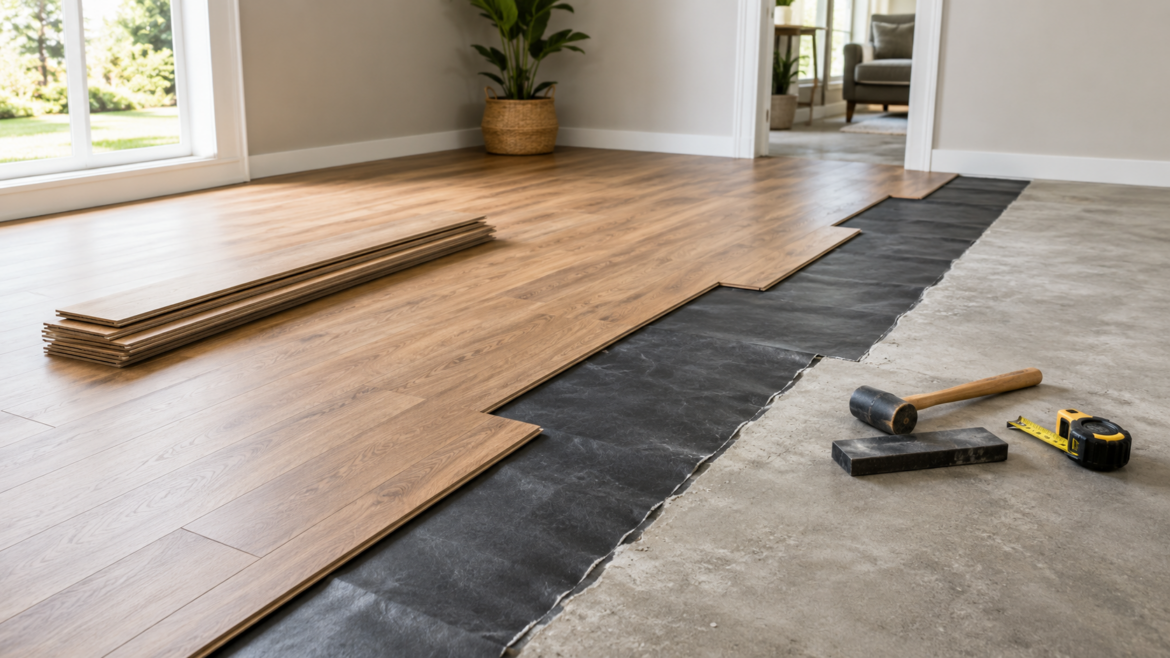
Laminate gets a bad reputation it doesn’t fully deserve, especially around here. The modern stuff with a proper HDF core actually holds up fine in our dry climate as long as it’s installed right with the correct underlayment and expansion gaps. Some of the laminates we put down 5-6 years ago still look great.
So when do we install laminate? When the budget calls for it, when it’s going in a low-traffic area, or when somebody specifically wants the texture and feel of a thicker plank. It’s not the wrong answer. It’s a real option.
That said — nine times out of ten when somebody comes in asking about laminate, we end up steering them to LVP. Three reasons:
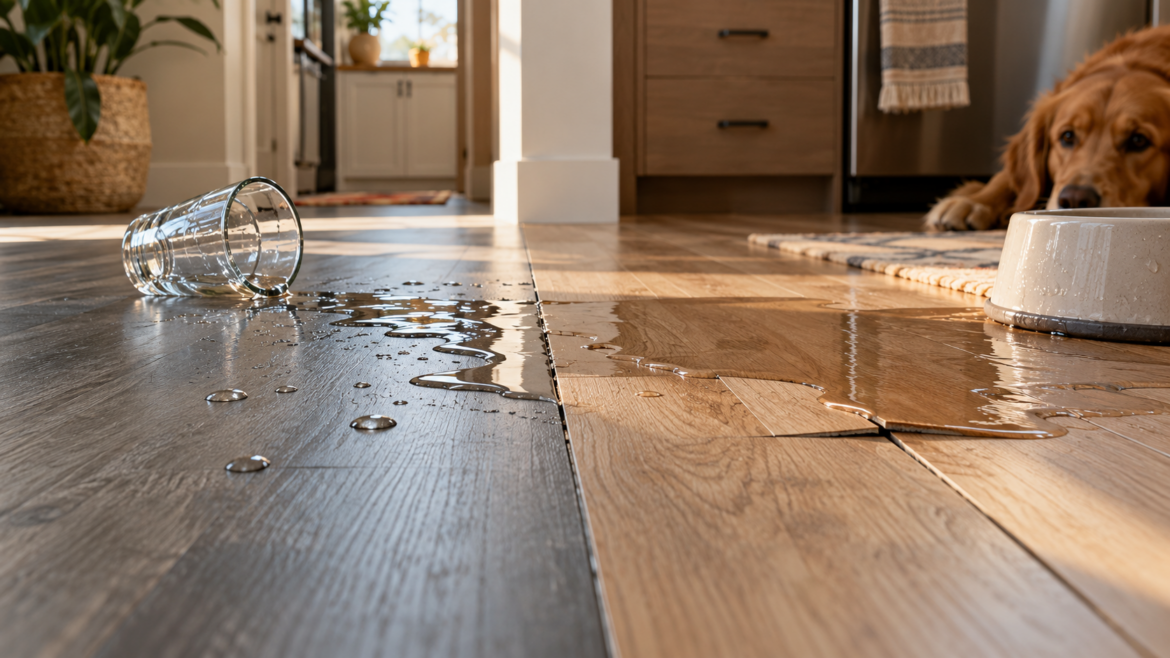
Water. Laminate has an HDF core, which is dense fiberboard. Get it wet and leave it, and it swells. Doesn’t recover. LVP is genuinely waterproof. Around here that matters more than you’d think — swamp cooler drips, mop water, kid spills, the dog’s water bowl. Stuff happens.
Pricing has converged. A few years ago laminate was meaningfully cheaper than LVP. Today the gap is smaller than most people think — and for a floor that’ll last twice as long and forgive water damage, the upgrade pays for itself.
Sound and feel. Laminate clicks when you walk on it, especially in our drier indoor air where boards have less give. LVP with a proper underlayment is dead quiet. In an open-floor-plan Farmington house, that matters.
So yeah, laminate works. We’ll install it if it’s right for you. But if you’ve got the extra budget, LVP wins almost every time — and we’ll tell you that even though laminate is the easier sell.
Want a real number?
Every flooring job is different. Subfloor condition, square footage, room layout, what’s coming up before the new stuff goes down, whether your house was built in 1972 or 2018 — all of that affects price more than the flooring choice itself.
What we can tell you over the phone in two minutes: a rough range so you know if you’re in the ballpark of your budget. What we’ll tell you after a free in-home measure: an exact, written quote we’ll honor. No surprise fees, no “well it turned out to be more complicated than we thought” mid-job. The number you sign is the number you pay.
If you’re planning a flooring project anywhere in San Juan County and want a straight answer about what’ll actually hold up in a Four Corners home, give us a call or you can send us a message! We’ll come measure for free, tell you honestly what your existing subfloor situation looks like, and give you a written quote you can hold us to. No high-pressure sales, no “today only” pricing nonsense.
5 Carpet Mistakes Farmington Landlords Keep Making (And What They Cost You)
Carpet Mistakes Farmington Landlords Make
Carpet Mistakes Farmington Landlords Make – I’ve been doing carpet here in Farmington long enough to see the same five mistakes on repeat. Doesn’t matter if it’s a duplex over by Animas Valley Mall or a rental on Crouch Mesa — landlords keep paying for the same problems.
Some of these I see twice a month. So if you own rentals around San Juan County, this one’s for you.
1. Buying the cheapest carpet you can find
I get it. Tenant just moved out, the unit smells like cigarettes and dog, and you need to flip it before next month’s mortgage payment. The instinct is to grab the $1.29/sq ft builder-grade stuff and call it done.
Here’s the problem. That cheap carpet looks fine for about 8 months. Then the traffic lanes mat down, the seams start showing, and your next tenant moves out 14 months later and you’re replacing it again. So now you’ve paid for carpet twice in two years instead of one decent install that lasts four.
The math almost never works out. Spend a little more on a mid-grade nylon or a solution-dyed polyester and you’ll get through 2 or 3 tenant cycles before it needs to go. That’s the play.
2. Skipping the pad upgrade
Pad is where landlords cut corners and it’s the dumbest place to do it. A good 8-pound rebond pad costs maybe $50 more on a 1,000 sq ft job. That same pad is what makes cheap carpet feel decent and what makes good carpet last twice as long.
Cheap pad compresses in six months. Once the pad is dead, the carpet on top of it wears out fast no matter what you spent on it. I’ve pulled up perfectly good carpet that was ruined because the pad underneath turned to cardboard.
3. Picking the wrong color (yes, it matters)
Beige is fine. Dark brown is a mistake. So is anything close to white.
Around here we get red dirt tracked in constantly — anyone who’s lived in Farmington more than a season knows what I mean. Spring wind kicks up and that fine red dust from Arizona comes across the border and is in everything. Dark carpet shows every speck of it. Light carpet shows every stain.
The middle-tone tans, soft grays with warm undertones, and “mushroom” colors are what hide the most between cleanings. They also don’t go out of style as fast, which matters when you’re not redoing this for another 5 years.
4. Not addressing the smell before new carpet goes down
This one drives me crazy. Tenant had a cat for three years, peed in the corner of the bedroom, you can smell it the second you walk in. Landlord wants new carpet over the top.
New carpet does not fix this. The smell is in the subfloor. The pad locks it in for a few weeks and then it comes right back through, and now your new tenant is calling you in month two asking why the bedroom smells like a litter box.
If there’s pet damage, the subfloor needs to be sealed with a proper primer (Kilz Original or similar oil-based) before anything goes back down. Sometimes you have to cut out and replace a section of OSB. It’s an extra hundred bucks and an extra day. Skip it and you’ll do the whole job over.
5. Trying to coordinate the install themselves
I see landlords who own 4 or 5 units try to play project manager — measure it themselves, order from a big box, hire a separate installer off Craigslist. Then something goes wrong. Wrong amount of carpet ordered, installer no-shows, seams pop a month later and nobody’s responsible.
When you use one shop for the measure, the material, and the install, there’s one phone number to call when something goes sideways. And it almost never goes sideways in the first place because the same people who measured it are the ones laying it.
That’s worth something, especially when you’ve got a tenant scheduled to move in Friday.
If you own rentals in Farmington, Aztec, Bloomfield, or anywhere in San Juan County and you’re tired of redoing carpet every other tenant, give us a call. We do landlord pricing on multi-unit jobs and we can usually turn a unit in 2-3 days from measure to move-in ready.
Need a quote? Click here!